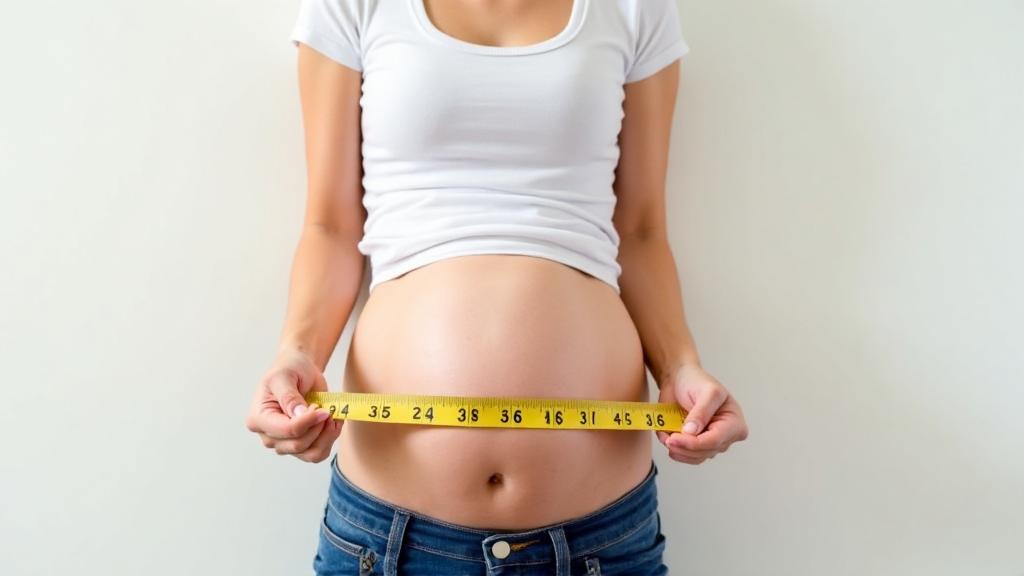
Let’s be real: after nine months of growing a human, your body isn’t going to snap back overnight. And honestly, it shouldn’t have to. I’m a registered dietitian, and I’ve been through this myself. I ate a whole sleeve of cookies some nights. But I also learned that losing baby weight is about smart habits, not starvation. Here’s what science says (and what I actually did).
Key Takeaways
- Aim for 1–2 pounds per week after the first few weeks.
- Breastfeeding burns about 500 extra calories a day, but you need to eat those back to maintain milk supply.
- Crash diets backfire, they steal muscle and energy.
- Walking, pelvic tilts, and bodyweight exercises are safe to start early.
- Most women lose half their baby weight by 6 weeks, but full loss can take 1–2 years.
Why Postpartum Weight Loss Is Different
Nearly half of pregnant women gain more than the recommended weight, according to the CDC. And about 75% of women keep some of that weight on for a year. That’s normal. Your body is recovering, your hormones are shifting, and you’re probably sleep-deprived. If you’re looking for a solid foundation, understanding the basics of weight loss helps. I’ve covered the essentials in a separate guide on how to lose weight safely, but here I’ll focus on what’s specific to new moms.
Nutrition Tips That Actually Work
- Don’t cut calories too low. You need at least 1,800 calories a day if breastfeeding. A 500-calorie deficit is a good starting point. That’s a standard calorie deficit for weight loss, but you have to adjust based on your activity and milk supply.
- Eat more fiber. A study found that eating an extra 4 grams of fiber per day led to about 3.25 pounds of weight loss. Think beans, oats, berries, and veggies.
- Protein is your friend. It has a higher thermic effect, meaning your body burns more calories digesting it. Eggs, Greek yogurt, chicken, and lentils are go-tos.
- Stay hydrated. Keep a water bottle on you. Often thirst feels like hunger.
- Crash dieting: Leads to muscle loss and lower metabolism.
- Skipping meals: You’ll be hangry and more likely to binge.
- Overdoing cardio: You need strength training to preserve muscle.
- Not sleeping: Sleep deprivation messes with hunger hormones.
Exercise: Start Small, Stay Consistent
You don’t need a gym membership. NewYork-Presbyterian recommends 30 minutes of activity daily, but that can be broken into three 10-minute sessions. Do lunges while brushing your teeth, squats while warming a bottle. Wait until your 6-week checkup for more intense exercise, and 2 months if you’re breastfeeding. Pelvic tilts and bridges are great for diastasis recti.
Common Mistakes
Troubleshooting: When the Scale Won’t Budge
If you’re stuck, check your calorie intake. Sometimes breastfeeding moms don’t eat enough, and the body holds onto weight. Also, consider that your body composition is changing. You might be losing fat but gaining muscle. If you’re looking for extra support, some women find that a probiotic supplement like LeanBiome helps with gut health and weight regulation. (Full disclosure: that’s an affiliate link, so if you buy, I may earn a commission at no extra cost to you. Always talk to your doctor first.)
FAQ
Q: How soon after birth can I start a weight loss diet?
Wait at least until your 6-week checkup. If breastfeeding, wait 2 months to ensure milk supply is established.
Q: Does breastfeeding help you lose weight?
Yes, but it’s not a magic bullet. It burns about 500 calories a day, but you need to eat those back. Some women even gain weight while breastfeeding due to increased appetite.
Q: What’s the best exercise for postpartum weight loss?
Walking is the safest start. Add pelvic tilts, bridges, and bodyweight exercises. Avoid high-impact until you’re cleared.
Q: How much weight can I lose per week?
1 to 2 pounds is safe. More than that can stress your body and affect milk supply.
Q: I’m not losing weight even though I’m eating well. What’s wrong?
Could be lack of sleep, stress, or not enough calories. Also, check your portion sizes. Sometimes “healthy” foods add up.
Disclaimer: This article is for informational purposes only and does not constitute medical advice. Consult your healthcare provider before starting any diet or exercise program.