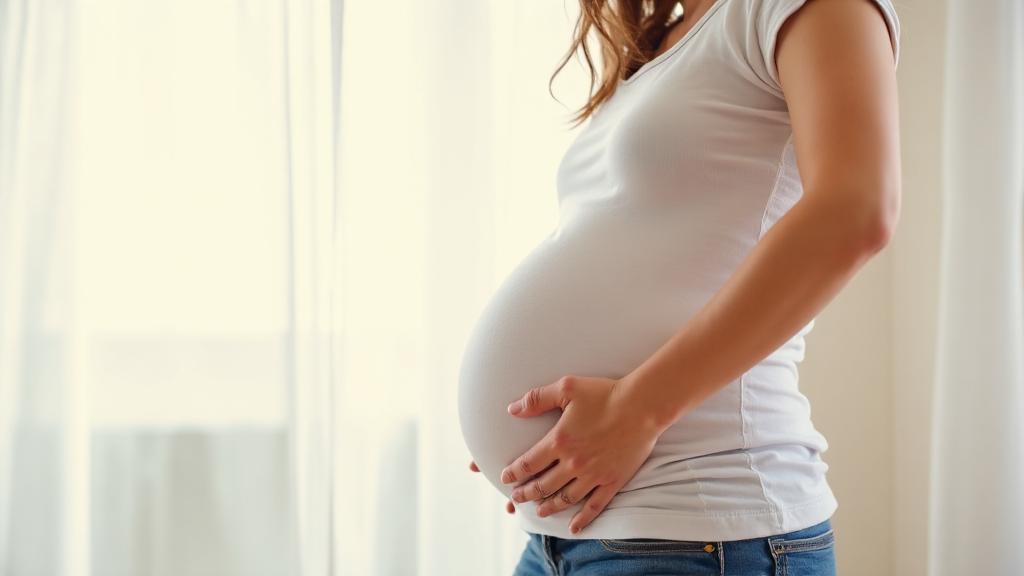
Here's the honest truth: most women don't lose all the baby weight in a few months, and that's completely normal. Research shows that about 75% of women are heavier one year after giving birth than they were before pregnancy, with 47% retaining at least 10 pounds. The typical timeline for healthy post-pregnancy weight loss is six to twelve months, though every body is different.
The Reality Check
Your body just did something incredible. It grew and delivered a human being. That takes a toll, your abdominal muscles stretched, your hormones shifted dramatically, and your metabolism changed. The "bounce back" culture is toxic nonsense. Instead, think of this as a gradual return to health, not a race.
Before starting any weight loss plan, get clearance from your healthcare provider at your six-week postpartum checkup. This is non-negotiable, especially if you had a C-section or complications.
Nutrition: Fueling Recovery and Weight Loss
Breastfeeding changes everything. If you're nursing, your body needs about 500 extra calories daily to maintain milk production. Dropping below 1,800 calories can actually decrease your milk supply and leave you exhausted.
Focus on nutrient-dense foods: lean proteins, whole grains, fruits, vegetables, and healthy fats. Think of food as fuel for recovery, not the enemy. A post-pregnancy smoothie with spinach, berries, Greek yogurt, and flaxseed gives you iron, calcium, protein, and fiber, everything your body craves.
Hydration is crucial. Aim for at least 12 cups of fluid daily, especially if breastfeeding. Water helps with metabolism, milk production, and energy levels. Keep a water bottle wherever you feed the baby.
Safe calorie deficit. If you're not breastfeeding or once you've weaned, a gradual deficit of 300-500 calories per day can lead to safe weight loss of about 1-1.5 pounds per week. Don't go lower, your body still needs nutrients to recover.
Exercise: Starting Where You Are
Your pelvic floor and core need time to heal. Don't jump into high-intensity workouts or heavy lifting right away. Start with gentle walking, even ten minutes counts. Progress to pram walking, which adds resistance while letting you include your baby.
Key exercises to rebuild strength:
- Pelvic tilts and kegels (start immediately if comfortable)
- Deep core breathing exercises
- Glute bridges and bird-dog variations
- Walking lunges (once cleared)
Listen to your body. If something hurts, stop. Diastasis recti (ab separation) affects many postpartum women, and certain exercises like crunches can make it worse.
The Role of Sleep and Stress
I know, I know, telling a new parent to sleep more feels like a cruel joke. But sleep deprivation spikes cortisol, increases cravings for carbs and sugar, and slows metabolism. When you can't get long stretches, try napping when the baby sleeps (even if the dishes are piling up) and prioritize protein-rich snacks to stabilize blood sugar.
Stress management is equally important. Those early months are overwhelming. Five minutes of deep breathing or a short walk alone can reset your nervous system and reduce stress eating.
Practical Tips That Actually Work
- Meal prep in batches when you have help (or during nap time). Freeze individual portions so you always have something healthy on hand.
- Keep healthy snacks accessible, pre-cut veggies, hummus, hard-boiled eggs, yogurt cups.
- Use a baby carrier for added resistance during walks (the extra 10-15 pounds of baby increases calorie burn).
- Don't compare your timeline to celebrities or influencers, they have personal chefs, trainers, and round-the-clock childcare.
- Track your macros loosely if it helps, but don't obsess. Your mental health matters more than the scale.
Common Mistakes to Avoid
Many new moms fall into the trap of extreme diets or over-exercising. I remember a friend who started running marathons six weeks postpartum, she ended up with pelvic floor issues that required surgery. Slow and steady wins here. Also, be careful with appetite suppressants or weight loss teas, many aren't safe while breastfeeding and can interfere with milk production.
FAQ Section
When does breastfeeding weight loss plateau? Most women experience initial weight loss in the first few months, but this can plateau around three to six months as the body adjusts. Some women even gain weight while breastfeeding due to increased appetite.
How many calories should a postpartum woman eat? For breastfeeding women, 1,800-2,200 calories is typical. For non-breastfeeding women, 1,500-1,800 calories supports gradual weight loss.
Can I do intermittent fasting while postpartum? This is not recommended for breastfeeding mothers, as it can reduce milk supply. It may be safe after weaning, but consult your doctor first.
Final Thoughts
Your body housed, grew, and delivered a baby. That's a superpower, not a problem to fix. The goal isn't to look like you did before pregnancy, it's to feel strong, healthy, and capable while caring for your new baby. Focus on nourishing yourself, moving gently, and giving yourself the same patience you give your child. The weight will come off in time. And your baby? They just want you, not a version of you that's smaller.