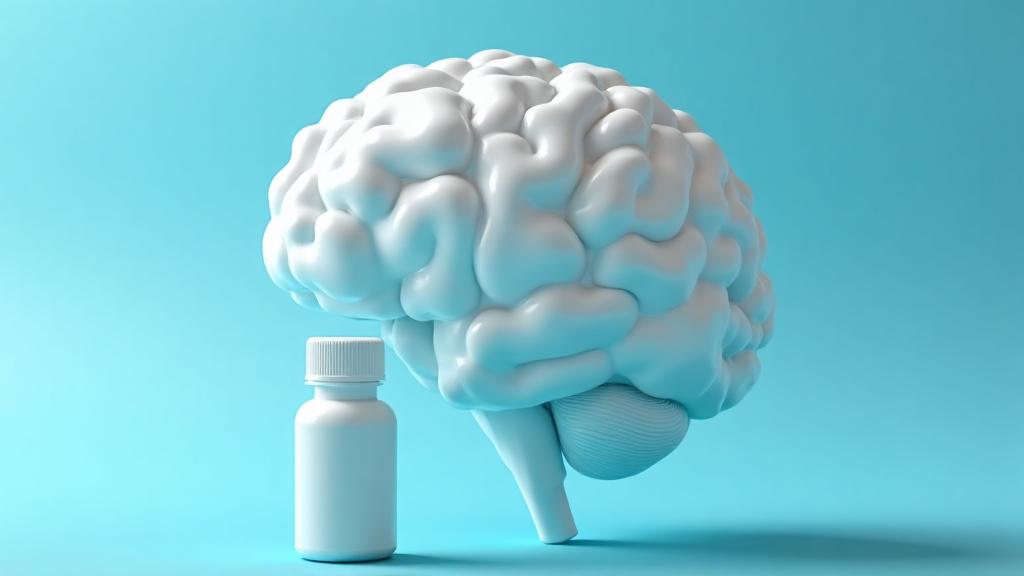
Nitrous oxide damages brain cells by inactivating vitamin B12 and displacing oxygen. Recreational abuse of whippets kills neurons, changes how brain regions talk to each other, and can paralyze you. But if you catch the damage early, it’s not always permanent.
I’m not going to sugarcoat this. A 2014 study by S. Savage and colleagues found that prolonged exposure to nitrous oxide causes cell death in neurons. Shorter exposure causes something called vacuolisation, which is basically bubbles forming inside your brain cells. That’s damage, even if it’s reversible. The same study pointed out that the brain is most vulnerable during development and in old age. Rat models showed that exposing them to N2O during what’s equivalent to late human pregnancy triggered a massive increase in programmed cell death, especially in the retrosplenial cortex and thalamus. Those rats ended up with long-term cognitive problems.
The B12 connection is the part that bothers me most. Recreational nitrous oxide use doesn’t just lower your vitamin B12, it functionally inactivates it. B12 is essential for maintaining the myelin sheath that insulates and protects nerves in the brain and spinal cord. Without that myelin, you develop myelopathy, which is basically a spinal cord injury. Symptoms include trouble walking, tingling and numbness in your legs and feet, and nerve damage that can become permanent. A Yale case study from 2023 described a man in his 30s who used nitrous oxide daily for four to five months and ended up unable to walk properly. MRI scans showed damage in the dorsal column of his spinal cord. The Yale team diagnosed him with subacute combined degeneration of the spinal cord. Even though his blood B12 levels were normal, testing two other markers (methylmalonic acid and homocysteine) revealed the metabolic problem. He also had pernicious anemia, an autoimmune condition that made B12 absorption even worse.
Here’s something I did not expect: a single one-hour session of laughing gas changes how different parts of your brain talk to each other for at least a full day after the drug is gone. A 2023 study by Palanca and colleagues gave 16 healthy volunteers either 50% nitrous oxide mixed with oxygen or just air for one hour. They scanned their brains and found changes in global brain connectivity that persisted in the occipital cortex at 2 hours and still at 24 hours after inhalation. The visual network connected more strongly with the dorsal attention network. This wasn’t from oxygen deprivation either, because these subjects got medical-grade 50% oxygen. That means the high fades in seconds, but the brain keeps rewiring for a full day.
Medical nitrous oxide is mixed with at least 20% oxygen to prevent hypoxia. Recreational users inhale 100% nitrous from whippet canisters, which displaces oxygen from the lungs entirely. The gas dissolves into the blood within seconds, hits the brain, and blocks pain signals while releasing dopamine. But that lack of oxygen leads to confusion, unconsciousness, frostbite on the lips from the freezing gas, and in worst cases death. Some people on Quora claim the cell death risk is small. I am not convinced that risk is small when you are repeating whippets multiple times in a row, which abusers typically do because the high lasts only seconds.
Short-term effects from nitrous oxide include euphoria, dizziness, drowsiness, slurred speech, blurred vision, tingling, headaches, and loss of consciousness. Users look slightly drunk with red eyes, a runny nose, chemical-smelling breath, and sometimes frostbite sores in the mouth. Long-term effects from repeated abuse include memory loss, nerve damage, anemia, problems walking, and permanent paralysis. The Yale case study emphasizes that early treatment can reverse even these severe effects. Their patient regained sensation and the ability to walk after seven days of intramuscular B12 injections followed by weekly shots for a month and then lifelong monthly maintenance. He also needed physical therapy and mental health care.
If you or someone you know uses whippets recreationally, here is the blunt truth. The damage to your brain and spinal cord is real. It is not just a story to scare kids. The scientific literature supports it from multiple angles: direct neuronal death from prolonged exposure, B12 inactivation stripping myelin from nerves, and persistent changes in how your brain regions connect to each other. Some of these effects accumulate over time, and while early treatment can reverse nerve damage, it can also become chronic and permanent if you wait too long. Warning signs to take seriously are tingling or numbness in the hands, feet, or legs, difficulty walking, memory problems, and anemia. If those show up, stop using immediately and see a doctor. Ask for B12 testing that includes methylmalonic acid and homocysteine levels, not just standard B12 numbers. Recovery from addiction to nitrous oxide follows the same path as other substance use disorders: detoxification, behavioral therapy, and support groups. Users report strong cravings and withdrawal symptoms like irritability and anxiety. The high is so fast and short that people chase it repeatedly, building tolerance quickly.
Does nitrous oxide kill brain cells? Yes, according to that 2014 review by S. Savage and colleagues, prolonged exposure induces cell death in neurons. Shorter exposure causes reversible vacuolisation, which is still damage to the cells even if temporary. How does nitrous oxide damage the brain? It impairs the body’s metabolism of vitamin B12, which is required to maintain the myelin sheath protecting nerves in the brain and spinal cord. Without B12, the spinal cord develops myelopathy, causing tingling, numbness, and difficulty walking. Are the effects permanent? Not always. The 2023 Yale case study showed that even severe nerve damage can be reversed with early treatment using vitamin B12 injections and complete cessation of use. But some nerve damage can become chronic and permanent if treatment is delayed. How long do brain changes last? A 2023 study by Palanca and colleagues found that changes in global brain connectivity persisted in the occipital cortex at 2 hours and still at 24 hours after a single 1-hour inhalation. Is recreational nitrous oxide more dangerous than medical use? Yes, because recreational use typically involves inhaling 100% nitrous oxide, which displaces oxygen from the lungs. Medical nitrous oxide is mixed with at least 20% oxygen to prevent hypoxia. The lack of oxygen from whippets can cause confusion, unconsciousness, and even death. Can you reverse nitrous oxide addiction? Yes. Treatment follows standard substance use disorder protocols including detoxification, behavioral therapy, and support groups. Withdrawal can cause irritability, cravings, and anxiety.