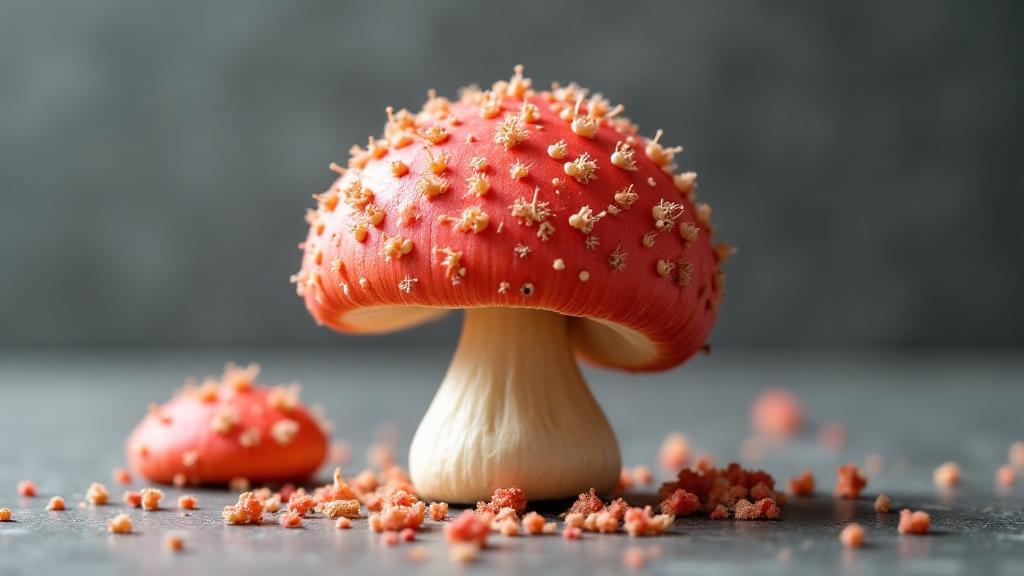
Psilocybin is the active compound in magic mushrooms. Chemically it is 4-phosphoryloxy-N,N-dimethyltryptamine. Once you ingest it, your body converts it to psilocin, which then binds to serotonin receptors in your brain, mostly the 5-HT2A receptor. That binding is what triggers all the weirdness.
A team at Washington University led by Dr. Joshua Siegel used fMRI to watch what happens in real time. They scanned seven healthy young adults before, during, and after a controlled dose of psilocybin. What they saw was wild. The drug caused major changes in functional connectivity, which is basically a measure of how different parts of the brain talk to each other. These changes were more than three times greater than those caused by methylphenidate, a common ADHD stimulant. That is a huge difference.
The biggest changes hit the default mode network. That is the network that lights up when you are daydreaming or thinking about yourself. It governs your sense of space, time, and self. Psilocybin basically scrambles it. The researchers described it as totally desynchronizing the system temporarily. Participants who had the biggest brain changes also reported the most intense psychedelic experiences on questionnaires.
I remember reading a study where they described the experience as "ego dissolution". That's when the sense of self breaks down. Some people find it terrifying, others liberating. It's weird to think about your brain's ability to just let go of the self for a few hours.
Here is the interesting part. When participants had to focus on a task, like matching spoken words with images, the psilocybin effects were reduced. So your brain can fight back against the drug if it has something concrete to latch onto.
Most networks snapped back to normal within a few days. But not all of them. The connection between the default mode network and the hippocampus stayed reduced for at least three weeks. That is the part of the brain that handles memory and your perception of self. The American Brain Foundation notes that this lingering change might help the brain become more flexible and reorganize into a healthier state.
Honestly, the part about the hippocampus staying altered for three weeks caught my attention. That's a long time to have your brain wiring changed. It makes you wonder if the therapeutic effects are tied to that prolonged change.
Psilocybin desynchronizes brain networks, especially the default mode network involved in self-perception. The changes are massive but most networks return to normal within days, though the hippocampus connection stays altered for at least three weeks. These effects are dose-dependent and linked to the intensity of the psychedelic experience. Researchers strongly caution against self-medicating; these studies are done under controlled conditions with trained mental health experts.
If you are reading this because you are curious about therapeutic use, here is what the science says as of 2025. Clinical trials are showing that a single high-dose psilocybin session can lead to lasting psychological changes. People report increased cognitive flexibility, especially those with depression. The Nature study I looked at confirms enduring changes after just one dose.
But do not go picking mushrooms in your backyard. The researchers from every single one of these studies strongly warn against self-medicating. Psilocybin is still a Schedule I substance according to the DEA, meaning they say it has high potential for abuse and no medical use. That is changing though. The FDA has granted two breakthrough therapy designations for psilocybin, which means they are fast-tracking research for serious conditions.
The effects vary wildly between people. Your mental state, your personality, your environment, all of it matters. Higher doses increase the risk of bad trips, anxiety, and even short-term psychosis. About 8.8 million Americans ages 12 and older used hallucinogens in 2023 according to the National Survey on Drug Use and Health, with adults 18 to 25 being the most frequent users.
I think the research is promising, but the hype around psychedelics is getting out of hand. People need to realize these are powerful drugs that can go wrong.
FAQ
How long do the acute effects of magic mushrooms last?
The hallucinogenic effects usually start within 30 minutes of ingestion and last between four and six hours, though some people experience changes in perception and thought patterns for longer.
What parts of the brain does psilocybin affect most?
It primarily disrupts the default mode network, which governs your sense of self, time, and space. It also affects the hippocampus, thalamus, cerebellum, and most of the cerebral cortex.
Can psilocybin cause lasting brain damage?
The research does not show brain damage. Most brain activity returns to normal within days. The lingering change in the hippocampus connection lasts at least three weeks and may actually promote neuroplasticity, meaning the brain can form new connections.
Is psilocybin addictive?
Current research does not consider psilocybin addictive, but users can experience disturbing hallucinations, anxiety, and panic. It works on serotonin receptors differently than addictive drugs that target dopamine.
Does the intensity of the trip match brain activity?
Yes. Study participants who reported more intense feelings of transcendence, connectedness, and awe also had the largest functional connectivity changes in their brains.
What are the risks of taking magic mushrooms?
Risks include frightening hallucinations, extreme anxiety, paranoia, confusion, nausea, and short-term psychosis. People with pre-existing mental health conditions are at higher risk. There is also the danger of accidentally eating poisonous mushrooms if foraging.