Quick Answer
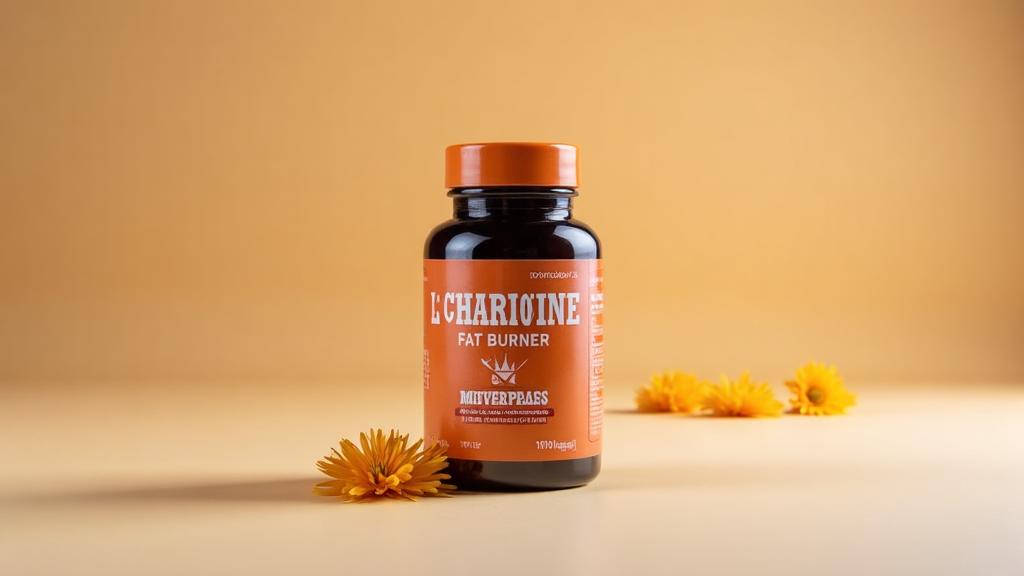
L-carnitine is a naturally occurring amino acid derivative that helps transport fatty acids into your cells' mitochondria to be burned for energy. Clinical research shows that L-carnitine supplementation can lead to a modest reduction in body weight, BMI, and fat mass, particularly in adults with overweight or obesity. However, it is not a magic bullet; results are modest and work best alongside a balanced diet and exercise.
Main Explanation
L-carnitine plays a key role in energy production by shuttling long-chain fatty acids into the mitochondria, where they are oxidized for fuel. By increasing the availability of fatty acids for energy, L-carnitine may support fat burning during exercise and daily activity.
A 2020 systematic review and meta-analysis of 37 randomized controlled trials (2,292 participants) found that L-carnitine supplementation significantly decreased body weight by an average of 1.21 kg, BMI by 0.24 kg/m², and fat mass by 2.08 kg compared to placebo. The effects were most pronounced in adults with overweight or obesity. Another review reported that L-carnitine may also improve insulin resistance and reduce appetite, which could contribute to weight management.
It is important to note that results are modest and inconsistent in some studies. The meta-analysis found no significant effect on waist circumference or body fat percentage. The reviews also note that the quality of some trials was low, and more research is needed to clarify long-term effects.
How to Choose an L-Carnitine Supplement (Decision Framework)
Use the following ordered steps to evaluate L-carnitine products. This framework is based on research-backed criteria and general product information.
Step 1: Check the dosage per serving
- Look for a dosage between 500 mg and 2,000 mg per day. Most studies that showed weight loss benefits used 2,000 mg daily.
- Example: Many liquid supplements provide 1,000–1,500 mg per tablespoon (15 ml). Capsules often contain 500 mg each.
Step 2: Choose a form that fits your routine
- Liquid: Absorbed quickly, easy to mix into water or take pre-workout. Common among athletes.
- Capsule/Tablet: Convenient for precise dosing, no taste. Good for daily use without preparation.
- Powder: Flexible dosing, but requires mixing. Less common but available.
Step 3: Look for third-party testing or certification
- Supplements are not FDA-approved for efficacy or safety. Third-party seals (e.g., USP, NSF, or ConsumerLab) indicate that the product meets quality standards.
- Some brands voluntarily test their products; check the label or website for testing information.
Step 4: Compare cost per gram
- Calculate the price per gram to compare value across brands. For example, a 16 oz (473 ml) liquid at 1,500 mg per serving provides about 30 servings (assuming 15 ml per serving). Divide the total cost by the total grams (45 g in this example) to get cost per gram.
Step 5: Consider additional ingredients
- Some formulas include B vitamins, electrolytes, or other amino acids. These may support energy metabolism but are not required for L-carnitine's effect.
- Avoid products with excessive fillers, sugars, or proprietary blends that hide individual ingredient amounts.
Practical Takeaways
- Expect modest results: L-carnitine is not a rapid fat burner. The average weight loss in studies was about 1–2 kg over several weeks, which is similar to other modest interventions.
- Combine with diet and exercise: L-carnitine works best when used to support an active lifestyle. It may help increase fat oxidation during exercise.
- Be patient: Benefits may take 4–12 weeks to appear. Consistency is key.
- Consider safety: L-carnitine is generally safe at doses up to 2,000 mg per day. Mild side effects can include nausea or stomach upset. People with thyroid conditions or on certain medications should consult a healthcare provider.
References
- Effects of L-carnitine supplementation on weight loss and body composition: A systematic review and meta-analysis of 37 randomized controlled clinical trials. PubMed. https://pubmed.ncbi.nlm.nih.gov/32359762
- Amazon.com: L-carnitine fat burner search results. https://www.amazon.com/l-carnitine-fat-burner/s?k=l+carnitine+fat+burner
- Healthline: What to Know About the Amino Acid L-Carnitine. https://www.healthline.com/nutrition/l-carnitine
- WebMD: L-Carnitine - Uses, Side Effects, and More. https://www.webmd.com/vitamins/ai/ingredientmono-1026/l-carnitine
- Beneficial effects of L-carnitine supplementation for weight management in overweight and obese adults. ScienceDirect. https://www.sciencedirect.com/science/article/pii/S1043661819315117
This article is based on desk research of published studies and reputable health sources. No hands-on testing of products was conducted.