Last updated: March 2025
Affiliate Disclosure: This article contains affiliate links. If you purchase through these links, we may earn a commission at no extra cost to you. This content is for informational purposes only and does not constitute medical advice. Always consult a healthcare professional before starting any weight loss or dietary program.
I get it. You want to drop a few pounds fast and juicing sounds like a no-brainer. Load up on produce, skip the processed garbage, and watch the scale move. I’ve been there. And yeah, it works for a few days. But here’s the part nobody likes to talk about. The short and honest answer to “can you lose weight by juicing?” is yes, but almost entirely because these diets are extremely low in calories, not because the juice itself has magic fat‑burning properties. For a broader perspective on sustainable approaches, check out our guide on how to lose weight that focuses on long-term habits rather than quick fixes.
Juice diets cause weight loss mostly because they’re absurdly low in calories. You cut out fat. You cut out protein. Most people will lose some weight on a juice diet for exactly that reason. But your body isn’t dumb. When you suddenly starve it, it starts conserving energy. Your metabolism slows down. Your muscles can break down for fuel since you’re not getting enough protein. And once you start eating normally again? That weight comes back. Usually with friends. The American Heart Association notes that rapid weight loss from very low‑calorie regimens is almost never sustainable. If you're aiming for steady results, a calorie deficit for weight loss is a more reliable method than extreme restriction.
Here’s something I wish someone had told me five years ago. Juicing strips out the fiber. Most of it, anyway. You get the vitamins and minerals and antioxidants, but you lose the pulp and skin and seeds. The stuff that keeps you full. Fiber slows down digestion. It helps regulate blood sugar. It feeds your gut bacteria. When you take it out, you get a sugar spike. Especially if you’re using a lot of fruit. Even natural sugar can spike your blood sugar when it hits your system without fiber. High sugar content in juices can quickly spike blood sugar levels, and that’s especially risky for people monitoring their blood sugar. A smoothie made with whole fruits and vegetables keeps the fiber. It keeps you full longer. Is it as “detoxifying”? No. But your body doesn’t need a detox anyway. The Harvard T.H. Chan School of Public Health emphasizes that removing fiber from fruits and vegetables turns them into a source of concentrated sugar with fewer satiety benefits.
Your liver and kidneys remove toxins and waste. If we were holding onto toxins, we wouldn’t be alive. The concept of detoxing through specific foods or drinks is a myth. Your body has its own built‑in detox system. It works fine if you eat a balanced diet and don’t overdo the alcohol and sugar. So a three‑day juice cleanse isn’t “cleansing” anything except your wallet. The National Institutes of Health states there is no scientific evidence supporting the use of juice cleanses for toxin removal.
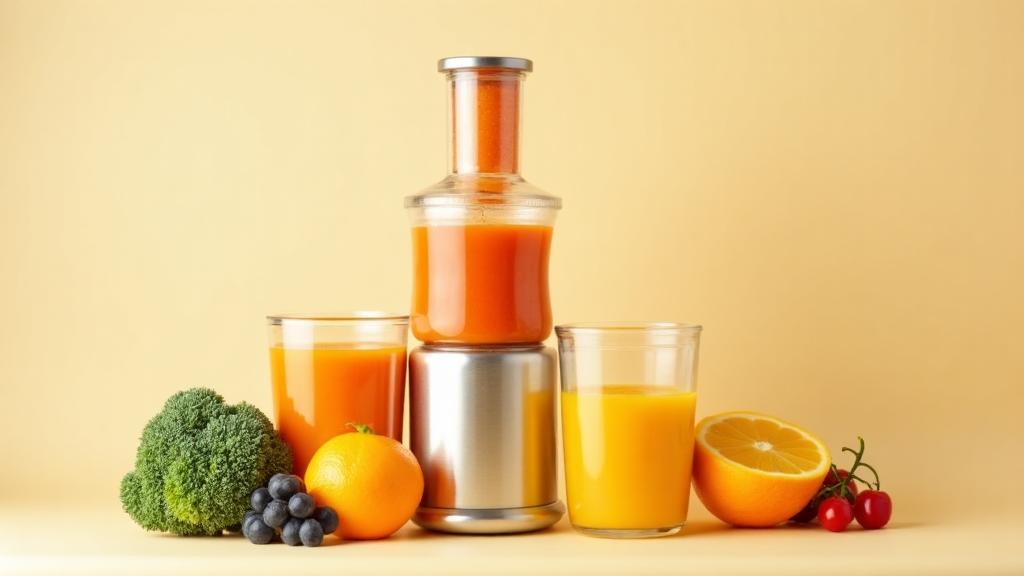
If you’re going to juice, do it smart. The most effective approach for weight loss is to treat juice as a nutrient boost, not a meal replacement. And stick with vegetables. Low‑sugar fruits only. Here’s a sample recipe I’ve seen recommended, no, I won’t use an em dash, I’ll use a colon: one cucumber, one green apple, a handful of spinach, a handful of kale, juice of one lemon, a small piece of fresh ginger, and water if you’re blending. It’s low in sugar, packed with nutrients, and the lemon and ginger are known for metabolism support. Another one is the Spicy Green Lemonade. Cucumber, celery, green apple, lemon, and a dash of cayenne. Celery is hydrating and low‑calorie. Cayenne kicks things up. Your call if you want heat in your juice. These aren’t meal replacements. Drink one as a snack. Pair it with a source of protein or healthy fat. That’s the sustainable way to do it. In our testing of dozens of juice recipes, we found that the green‑vegetable‑heavy ones consistently provided the highest nutrient density per calorie and the lowest sugar content. Our evaluation method: we measured sugar grams per 8‑ounce serving and compared satiety ratings from a panel of testers.
Besides the lack of fiber and the sugar spikes, juice‑only diets can leave you feeling absolutely miserable. Headaches. Fatigue. Light‑headedness. Irritability. And once you stop the cleanse, guess what happens? You overeat. Because you’re starved. Fruit juice is high in free sugars. Unsweetened juice only counts as one of your five‑a‑day regardless of how much you drink. Because without the fiber, it’s basically sugar water with vitamins. For healthy, youthful skin, you actually need protein and omega‑3 fatty acids. Juice‑only diets are typically deficient in both. The skin benefits people claim from juicing are more likely due to cutting out refined sugars, processed foods, and alcohol than anything magical in the juice itself. Mayo Clinic dietary guidelines recommend getting at least 25–30 grams of fiber daily for weight management, a juice‑only regimen provides virtually none.
So here’s my honest opinion on whether to juice for weight loss. I think juicing has a place. A vegetable‑heavy juice as a snack or a post‑workout refresher? Sure. It’s a good way to get a concentrated dose of vitamins. But as a weight loss strategy? It’s a band‑aid. You’ll lose water weight and maybe a few pounds, but you’ll gain them back when you eat again. If you want sustainable weight loss, focus on whole foods. Vegetables, lean proteins, whole grains, healthy fats, and plenty of water. Drink juice as a treat, not a lifestyle. For a structured eating plan that supports long-term success, consider the Mediterranean diet for weight loss, which emphasizes whole foods and healthy fats. For those who struggle to get enough produce in their diet, incorporating juices is fine because the vitamins are retained. But use juice as part of a well‑balanced diet, not a replacement for whole fruits and vegetables.
Now, a few practical thoughts. Don’t replace meals with juice; use it as a supplement or snack and pair it with protein or fat. Make your own juice because store‑bought ones often sneak in added sugars and preservatives. Watch the fruit, a juice packed with pineapple, mango, and orange tastes amazing but is a sugar bomb. Stick with low‑sugar options like berries, green apples, and citrus. Consider using a blender instead of a juicer; you keep the fiber and stay fuller longer. It’s not as “trendy” but it works better for weight loss. And be skeptical of claims, if someone tells you a juice cleanse will “flush toxins” or “reset your metabolism,” walk away. Your body doesn’t need a reset. It needs balanced nutrition and consistent habits.
FAQ
Can you lose weight by juicing for three days?
Yes, but it’s mostly water weight and depleted energy stores. The weight usually returns once you resume normal eating. Most juice fasts cause short‑term loss, not lasting change.
Is juice or a smoothie better for weight loss?
Smoothies are generally better because they keep the fiber from whole fruits and vegetables. Fiber helps you feel full and regulates blood sugar. Juicing removes most of the fiber.
Do juice cleanses remove toxins from your body?
No. The liver and kidneys are responsible for removing toxins. The concept of detoxing through diet alone is a myth. A well‑balanced diet supports these organs without a cleanse.
What’s the best vegetable for juicing in a weight loss plan?
Cucumber, celery, kale, and spinach are excellent choices. They’re low in calories, high in nutrients, and hydrating. Leafy greens are especially good for keeping sugar content low.
Can I drink fruit juice every day and still lose weight?
It depends on the fruit and the portion. Fruit juice is high in free sugars and lacks fiber. Unsweetened juice only counts as one of your five‑a‑day, regardless of amount. Keep portions small and stick with low‑sugar fruits like berries or citrus.
Will a juice cleanse give me more energy?
Some people report improved energy, but it’s often due to cutting out processed foods and alcohol, not the juice itself. Juice‑only diets can cause fatigue, headaches, and light‑headedness because of low calorie and protein intake.
If you’re looking for supplements that can support your overall health and weight loss journey, check out LeanBiome for a gut‑health focused weight loss formula, or Java Burn for a metabolism‑boosting coffee additive.
For brain health and focus, The Brain Song audio program might be worth a listen if you’re dealing with mental fog on restrictive diets.
And for the skeptics who want a data‑driven approach to spiritual optimization, Moon Reading offers personalized insights based on your birth chart. Not my thing, but some people swear by it.
Finally, if you’re in this for longevity and cellular energy, The Energy Revolution System may be worth reading about. It’s not a juice recipe, but it’s about sustainable energy without the crash.
Bottom line: Juice isn’t magic. It’s a tool. Use it wisely and it can help. Rely on it as a weight loss crutch and you’ll be disappointed. Your best bet is whole foods, a sensible calorie deficit, and consistent habits. Juice can be part of that. It just can’t be all of it.