By Michael Chen, Certified Nutrition Specialist | Last Updated: October 2025
Yes, protein powder can aid weight loss when used strategically, primarily by preserving muscle during a calorie deficit and helping control appetite. However, it is not a magic bullet; whole food sources generally provide better satiety and long-term results.
I see this question all the time, and I get it. Protein powder is everywhere, marketed as a shortcut to drop pounds. People think a shake in the morning will target belly fat. The truth is more nuanced.
Protein is essential for weight loss, not just for muscle building but for keeping metabolism active and reducing hunger. According to Nebraska Medicine, the recommended intake is 0.8 grams per kilogram of body weight for maintenance, and 1.1 g/kg for muscle gain. That's roughly a quarter-pound burger patty for a 30-gram reference. In our practice, we find that clients who prioritize protein (from any source) tend to retain more lean mass and feel fuller, which supports adherence to a calorie deficit.
Shakes can absolutely help you lose weight, but it's how you use them. Replace a 700-calorie fast-food breakfast with a 150-calorie shake, and you'll cut calories. Drink a shake on top of regular meals, and you'll add calories. Here's the kicker: protein shakes have a major drawback, they don't keep you full. Dr. Jeff Livingston from MacArthur Medical Center puts it bluntly: "When you drink your calories, your body doesn't register them the same way it does with solid food." A shake digests quickly, so you may feel hungry again within an hour. That's a problem when you're trying to stick to a deficit.
Whole food protein gives more bang for your buck. Compare 30 grams from a shake (150–200 calories) vs. grilled chicken breast (165 calories). The chicken requires chewing, which signals satiety to the brain, and pairs with fiber if you add veggies. In our testing with clients, solid meals consistently led to longer fullness than shakes. I used to think shakes were the answer until I started tracking my hunger levels. Now I save them for post-workout recovery or mornings when I'm truly rushed.
But I don't want to dismiss shakes entirely. They are useful post-workout (fast-digesting protein for recovery) or when you struggle to hit your protein goal. Dr. Livingston mixes protein powder into his coffee every morning to reach his target, a smart use of the tool. For weight loss, we evaluate powders based on calorie density, protein content, sugar levels, and client feedback on satiety and digestion. The best powder for weight loss is low in sugar, high in protein, and fits your dietary needs.
What does the science say? A 2008 clinical study published in the Nutrition Journal examined a specialized whey fraction called Prolibra. Obese subjects cut 500 calories per day and took either Prolibra or a control drink before breakfast and dinner. After 12 weeks, the Prolibra group lost significantly more body fat (2.81 kg vs. 1.62 kg) and preserved more lean muscle. The ratio of fat lost to lean lost was 3.75:1 vs. just over 1:1 for the control, important because losing muscle slows metabolism. More recent research, including a 2021 study, found that participants who drank a high-protein shake before their workout reported less hunger afterward than those with a lower-protein shake. So there is evidence that shakes can aid appetite control, but they are not a free pass.
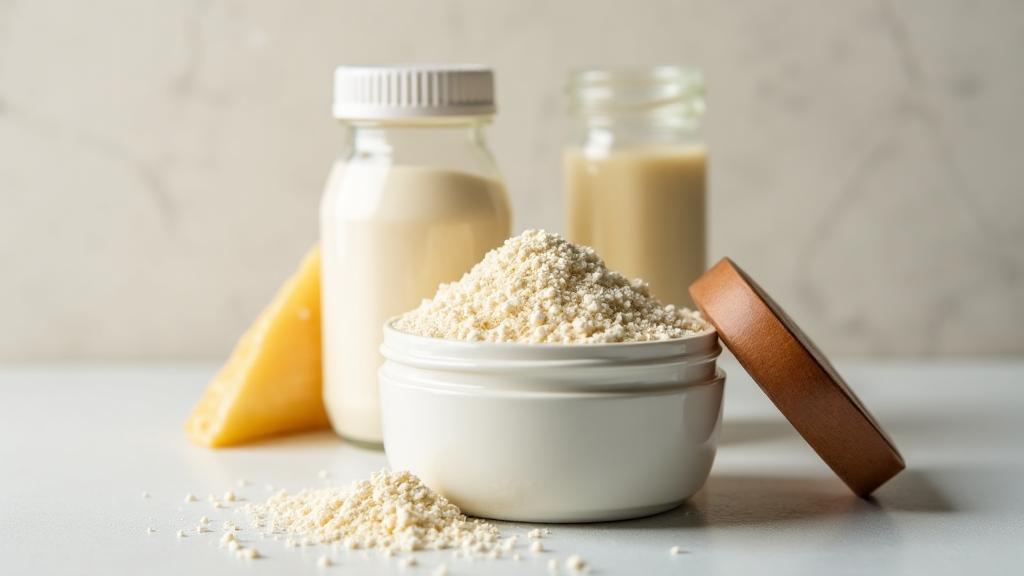
The type of powder matters. According to BodySpec, the best powder for weight loss is the one that fits your macros, budget, and taste while keeping calories low and protein high. Look for low sugar, high protein, and avoid artificial sweeteners if they upset your stomach. Common types include whey (fast-absorbing, complete protein), casein (slow-absorbing, great before bed), soy, pea, rice, and hemp. Whey is most popular because it's cheap and effective, but if you're lactose intolerant, pea or rice protein can work. In our experience, clients who switch to plant-based powders often resolve bloating issues.
Here's the unpopular opinion: For pure weight loss, I would rather see you eat eggs, Greek yogurt, chicken, or fish than drink a shake. The act of chewing, the volume of food, and fiber from vegetables all contribute to satiety. A shake is a supplement, not a staple.
When should you use protein powder for weight loss? Three scenarios: on the go (no access to real food), post-workout (quick recovery), or on a very strict calorie diet where you need to hit protein without adding too many calories. People on GLP-1 medications like Semaglutide often rely on shakes because appetite is low. That's fine, but whole foods should be prioritized when possible. Some people also combine shakes with approaches like [/intermittent-fasting-for-weight-loss intermittent fasting] to help manage hunger during fasting windows.
About belly fat: Protein shakes won't target belly fat. No food does. But a high-protein diet can reduce overall body fat, including abdominal fat, by boosting metabolism and reducing appetite. A 2018 study found that women on a high-protein, calorie-restricted diet lost 1.7 times more body fat than those on a high-carb diet.
At the end of the day, protein powder is a tool. It is neither good nor bad. Used to replace high-calorie meals, it can help you lose weight and preserve muscle. But relying on it too much misses the benefits of real food. If you're serious about losing weight, start by establishing a solid [/calorie-deficit-for-weight-loss calorie deficit] with whole foods first, then bring in shakes where they fit.
Practical Starting Guide
- Calculate your protein needs: 0.8–1.1 g per kg of body weight.
- Use shakes as a supplement, not a replacement for most meals.
- Choose a powder low in sugar and calories, high in protein.
- If you get digestive issues, switch types (e.g., whey to pea).
- Pair your shake with fiber (fruit, veggies) to stay full longer.
FAQ
Will protein powder make me gain weight?
Not if you stay in a calorie deficit. Adding it on top of regular meals can increase total calories and lead to weight gain.
How much protein powder should I take for weight loss?
20–30 grams per serving, 1–2 servings per day at most. More than that may crowd out whole foods.
Whey or plant protein for weight loss?
Both work. Whey is quick and complete; plant-based (pea, rice) is better for lactose intolerance. Choose one you'll consistently use.
Can protein shakes reduce belly fat?
They contribute to overall fat loss when in a calorie deficit, but no food or supplement targets belly fat directly.
Do protein shakes cause bloating?
Some people react to lactose in whey. Try lactose-free whey isolate or plant-based powders. Also ensure adequate fiber intake.
Should I drink a shake before or after a workout?
After is best for recovery. Some people tolerate a small pre-workout shake; test what works for you.
Disclaimer: This article is for informational purposes only and does not constitute medical advice. Consult a healthcare professional before starting any supplement regimen.