Quick Answer
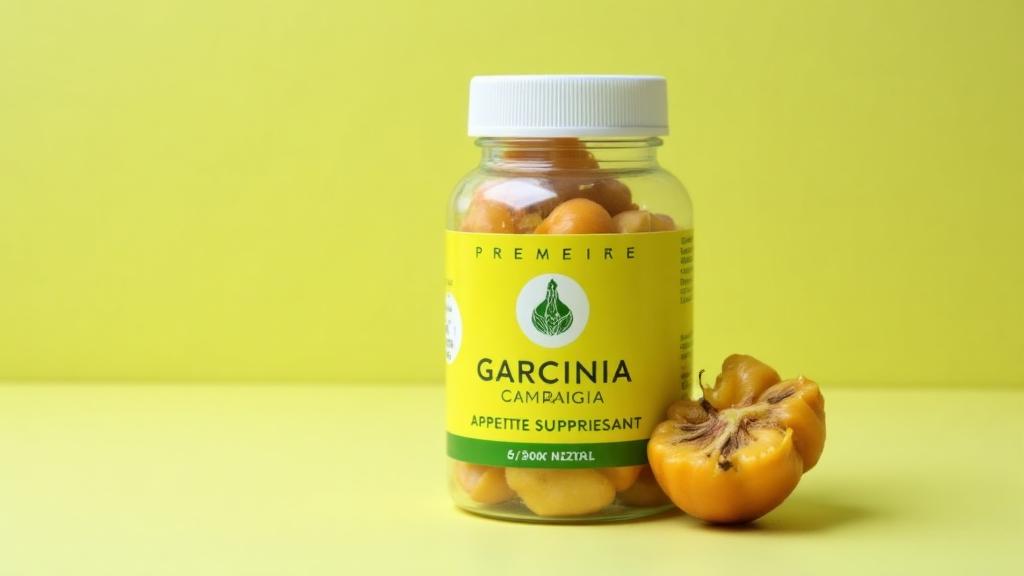
Garcinia cambogia supplements are promoted for appetite control and weight loss. The active ingredient, hydroxycitric acid (HCA), is extracted from the fruit's rind. Some studies suggest a modest effect on appetite suppression and fat loss, but overall evidence is mixed, and safety concerns exist. The information below is based on published research and manufacturer claims; we have not tested these products.
Main Explanation
How Garcinia Cambogia Is Claimed to Work
Proponents believe HCA affects the body in several ways:
- Blocks fat production.
- Suppresses appetite.
- Raises serotonin levels, which may affect mood and eating behavior.
What the Research Says
- A double-blind, randomized, placebo-controlled trial found that G cambogia reduced abdominal fat accumulation in subjects with visceral obesity; no rebound effect was observed after treatment stopped.
- The NCCIH states it is unclear whether garcinia cambogia products help with weight loss; some evidence suggests a modest effect, while other evidence shows no effect.
- One manufacturer claims their “ultra high purity HCA garcinia cambogia pills may help reduce hunger, decrease body fat, keep you fuller for longer, and support your fat burning metabolism”. We have not tested this product.
Safety Considerations
- Several cases of liver damage have been reported in people taking garcinia cambogia products; some were severe, but this appears uncommon.
- Other side effects may include headache and nausea.
- The NCCIH advises that it may be unsafe to consume garcinia cambogia products.
Decision Framework: Should You Try Garcinia Cambogia for Appetite Suppression?
Step 1: Assess your goal
- If you are looking for a supplement to help reduce appetite, proceed. Otherwise, skip this supplement.
Step 2: Review the evidence
- Some studies suggest modest fat loss and appetite suppression, but results are inconsistent. Set realistic expectations: any effect is likely small and not a substitute for diet and exercise.
Step 3: Check safety
- Liver health: Avoid if you have a history of liver issues or take medications metabolized by the liver.
- Other conditions: Headache and nausea are possible side effects.
- Consult a healthcare professional: Dietary supplements are not regulated like drugs, so discuss with a doctor before starting.
Step 4: Choose a product carefully (if you proceed)
- Look for HCA content (typically 20–60%).
- Read labels for added ingredients (e.g., chromium) that could have additional effects.
- Buy from reputable sources, but be aware product quality can vary.
Step 5: Monitor and adjust
- Track appetite changes over 2–4 weeks.
- Watch for side effects, especially signs of liver trouble (yellowing skin, dark urine, stomach pain).
- Combine with healthy eating and physical activity, this supplement is not a replacement.
Practical Takeaways
- HCA is linked to appetite suppression and fat blocking, but evidence is mixed.
- A controlled human study showed reduced visceral fat but no significant change in BMI.
- Safety concerns, especially potential liver damage, warrant caution.
- Approach with realistic expectations, consult a doctor, and prioritize a balanced diet and exercise for weight management.
References
- WebMD. “Garcinia Cambogia: Safe for Weight Loss?” https://www.webmd.com/vitamins-and-supplements/garcinia-cambogia-weight-loss
- Amazon. “Garcinia Cambogia Weight Loss Pills with 1500mg HCA Pure Extract, 90ct.” https://www.amazon.com/Garcinia-Chromium-Suppressant-Supplement-Metabolism/dp/B01E3JHUUG
- PubMed Central. “Effects of garcinia cambogia (Hydroxycitric Acid) on visceral fat accumulation.” https://pmc.ncbi.nlm.nih.gov/articles/PMC4053034
- Healthdirect. “Garcinia cambogia.” https://www.healthdirect.gov.au/garcinia-cambogia
- NCCIH. “Garcinia Cambogia: Usefulness and Safety.” https://www.nccih.nih.gov/health/garcinia-cambogia