Quick Answer
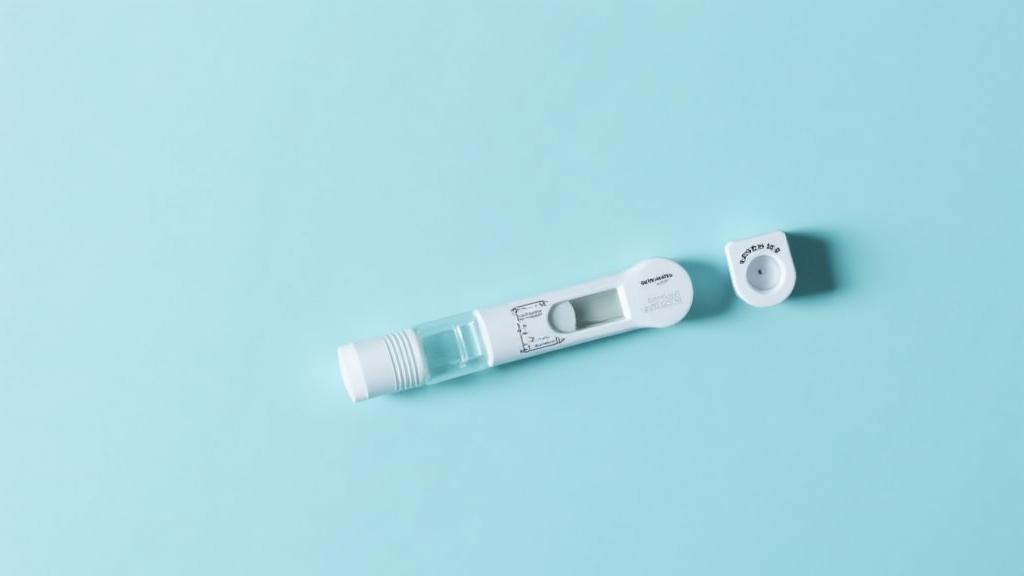
Blood sugar testing devices fall into two main categories: blood glucose meters (glucometers) and continuous glucose monitors (CGMs). A blood glucose meter uses a small blood sample on a test strip to provide a current reading. A CGM uses a sensor inserted under the skin to measure glucose levels every few minutes throughout the day and night. The right choice depends on your testing frequency, budget, and healthcare provider's recommendation.
Main Explanation
How Blood Glucose Meters Work
A blood glucose monitoring device includes a handheld meter and test strips. You prick your finger with a lancet, place a drop of blood on the strip, and the meter displays the glucose level. These devices are widely available for use at home or in healthcare settings.
How Continuous Glucose Monitors Work
A CGM measures blood sugar every few minutes using a sensor inserted under the skin. It transmits data wirelessly to a receiver or smartphone, allowing you to view trends and receive alerts without repeated fingersticks. According to the American Diabetes Association, devices are becoming easier to use and less invasive.
Key Tradeoffs
| Feature | Blood Glucose Meter | Continuous Glucose Monitor (CGM) |
|---|---|---|
| Blood sample | Fingerstick required | No routine fingersticks (some need calibration) |
| Frequency | Spot checks (when you test) | Continuous readings (every few minutes) |
| Cost | Lower upfront meter cost; ongoing test strip expense | Higher upfront sensor/transmitter cost; some insurance coverage |
| Data | Single reading | Trend data, alerts for highs/lows |
| Invasiveness | Finger prick | Sensor inserted under skin (changed every 7–14 days) |
These tradeoffs are based on general descriptions from authoritative sources. No hands-on testing was performed for this article.
Decision Framework: 5 Steps to Choose Your Device
Follow these ordered steps to narrow down your options. The framework is based on guidance from the American Diabetes Association, the FDA, and Mayo Clinic.
Step 1: Decide Between a Meter and a CGM
- Choose a blood glucose meter if you need occasional spot checks, prefer a lower upfront cost, or your healthcare provider recommends it. Meters are suitable for many people with type 2 diabetes who test a few times a day.
- Choose a CGM if you need to see glucose trends, have frequent highs or lows, or require tighter control. CGMs are often recommended for people with type 1 diabetes or those on intensive insulin therapy.
Step 2: Evaluate Testing Frequency and Lifestyle
- If you test less than 2–3 times per day, a meter may be more practical and cost-effective.
- If you need to monitor overnight or during exercise, a CGM provides continuous data without waking you.
Step 3: Check Meter Features and Ease of Use
For blood glucose meters, consider:
- No-coding: Many modern meters do not require manual coding, reducing errors.
- Display size and backlight: Important for readability.
- Memory and data sharing: Some meters store hundreds of readings and sync with apps.
- Test strip size: Smaller strips may be easier to handle.
Step 4: Compare Test Strip and Sensor Costs
- Test strips are a recurring expense for meters. Prices vary widely by brand and insurance coverage.
- CGM sensors must be replaced regularly (typically every 7–14 days). Check with your insurance for coverage.
Step 5: Review Accuracy and Regulatory Status
- The FDA regulates blood glucose monitoring devices. Look for FDA-cleared products.
- Both meter and CGM accuracy standards are set by the FDA. Check the device's reported accuracy in clinical studies.
- Consult your healthcare provider to ensure the device meets your medical needs.
Practical Takeaways
- Blood glucose meters are reliable, affordable, and widely available. They are ideal for spot checks and for people who do not need continuous monitoring.
- Continuous glucose monitors offer richer data and convenience, but at a higher cost and with a more involved setup.
- Always verify coverage with your insurance plan before purchasing, as costs can vary significantly.
- This article is based on publicly available information from authoritative sources, not on hands-on product testing. For personalized advice, speak with your diabetes care team.