Managing diabetes effectively starts with reliable blood sugar monitoring. This guide explains the two main types of systems, traditional blood glucose meters (BGMs) and continuous glucose monitors (CGMs), and provides a step-by-step framework to help you decide which one fits your needs.
Quick Answer
A blood sugar monitoring system is either a blood glucose meter (BGM) that uses a fingerstick blood sample on a test strip or a continuous glucose monitor (CGM) that uses a sensor inserted under the skin to provide real-time readings every few minutes. Your choice depends on how often you need measurements, your budget, and lifestyle preferences.
Main Explanation: Two Types of Systems
#### Blood Glucose Meter (BGM)
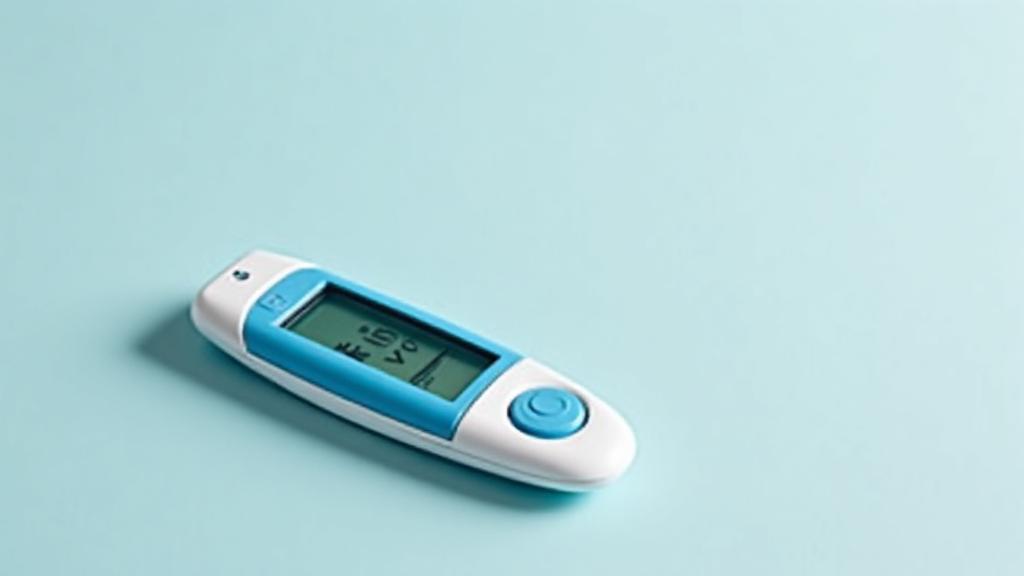
- How it works: A handheld meter with test strips measures glucose from a small drop of blood.
- Typical use: You test at specific times (e.g., before meals, after meals, before bed) as recommended by your healthcare provider.
- Pros: Lower upfront cost, no sensor insertion, and immediate results at the time of testing.
- Cons: Only provides a snapshot at the moment of testing; you may miss trends or overnight highs/lows.
#### Continuous Glucose Monitor (CGM)
- How it works: A small sensor is placed under the skin (often on the arm or abdomen) and automatically measures glucose in interstitial fluid every few minutes. Data is sent to a receiver or smartphone app.
- Typical use: The sensor is worn for several days (e.g., Dexcom G7 lasts up to 15 days ), providing real-time readings, trend arrows, and alerts for high or low glucose levels.
- Pros: Continuous data, trend information, alerts, and fewer fingersticks. Some CGMs integrate with insulin pumps.
- Cons: Higher out-of-pocket cost, need for prescription, and sensor insertion may cause skin irritation.
Decision Framework: 4 Steps to Choose Your System
#### Step 1: Assess Your Monitoring Needs
Ask yourself:
- Do I need a single-moment reading or trends and patterns?
- Am I experiencing hypoglycemia unawareness or frequent overnight lows? (CGMs with alarms are especially helpful here )
- Does my insurance cover CGM? Coverage varies by plan and diagnosis type.
#### Step 2: Compare the Two Systems Side-by-Side
| Feature | Blood Glucose Meter | Continuous Glucose Monitor |
|---|---|---|
| Data frequency | Only when you test | Every 5 minutes (real-time) |
| Sensor wear | None (single-use test strip) | Sensor worn for days (e.g., 15 days for Dexcom G7 ) |
| Alerts for highs/lows | No | Yes |
| Typical cost | Lower per test | Higher upfront and monthly |
| Fingersticks required | Yes, each test | Calibration may be needed; newer systems require fewer or none |
#### Step 3: Consider Practical Tradeoffs
- Cost: BGMs are often cheaper per test, but CGM sensors and transmitters can be expensive without insurance. Check your insurance formulary.
- Convenience: A CGM reduces the number of fingersticks, which benefits those with needle anxiety or frequent testing needs.
- Data insight: A CGM provides a richer picture of glucose trends, aiding medication adjustments and lifestyle changes.
#### Step 4: Consult Your Healthcare Provider
Discuss your preferences with your doctor or diabetes educator. They can help interpret your A1C, daily glucose patterns, and whether you meet criteria for a CGM prescription. They can also recommend specific brands based on your needs.
Practical Takeaways
- If you prefer simplicity and lower cost, a standard BGM may be sufficient, providing a reliable reading at the time of testing.
- If you want a fuller picture of glucose levels throughout the day and night, particularly with hypoglycemia unawareness or a need to optimize insulin dosing, a CGM is worth considering.
References
- Dexcom Continuous Glucose Monitoring – Dexcom
- Blood Glucose Monitoring Devices – U.S. FDA
- Diabetes Devices & Technology – American Diabetes Association
- Continuous Glucose Monitoring – National Institute of Diabetes and Digestive and Kidney Diseases (NIDDK)
- Blood sugar testing: Why, when and how – Mayo Clinic
- Blood Glucose Meters – American Diabetes Association Consumer Guide